RAM 1500 5.7L and Jeep Wagoneer eTorque MGU Problems: Symptoms, Causes, and Repair
Posted by Seth Stokes on 7th May 2026
If you drive a 2019 to 2026 RAM 1500 or a 2022-2023 Jeep Wagoneer, equipped with the 5.7L HEMI eTorque system, sometimes referred to as an E-Torque alternator, you may be dealing with a frustrating and increasingly common problem: a failing Motor Generator Unit (MGU). The MGU is at the heart of the vehicle's mild hybrid eTorque system, and when it starts to go, the symptoms can range from an annoying whine under the hood to a truck that stalls or stops running altogether. Understanding what the MGU does, why it fails, and what your repair options look like can save you significant time and money.
What is the eTorque MGU, and What Does It Do?
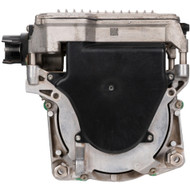
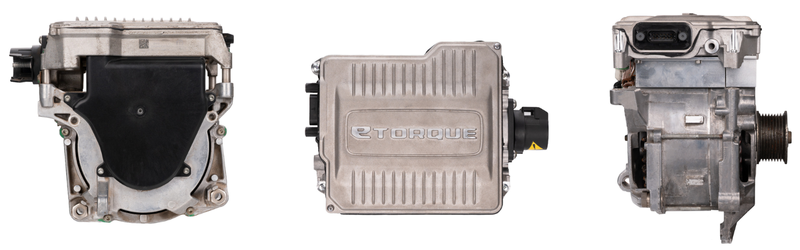
The Motor Generator Unit is the central component of the vehicle's 48-volt eTorque mild hybrid system. It replaces the traditional alternator and starter motor, combining both functions into a single belt-driven unit mounted to the front of the 5.7L HEMI engine. The MGU serves several critical roles: it starts the engine (enabling the seamless auto stop/start feature), charges the 48-volt battery, provides supplemental torque during acceleration, and recovers energy during braking through regenerative braking.
In everyday driving, the MGU is what makes the eTorque system feel smooth and responsive. It fills in torque during gear changes, helps the engine restart quickly and quietly at stoplights, and contributes to improved fuel efficiency. Because the MGU handles so many functions simultaneously, a failure doesn't just affect one system; it can impact the entire driving experience.
Common Symptoms of a Failing eTorque MGU
MGU failure in the RAM 1500 or Jeep Wagoneer typically presents in a few recognizable ways:
Bearing whine or noise coming from the MGU: This is often the earliest warning sign. You may notice a high-pitched whine or grinding noise from the front of the engine that changes with engine speed. Because the MGU is belt-driven, a failing bearing inside the unit will produce noise that's easy to mistake for a belt or pulley issue. If you've already replaced the belt and tensioner and the noise persists, the MGU itself is likely the source.
MGU stops working: The eTorque system may stop functioning entirely. You might notice that the auto stop/start feature no longer engages, and the truck feels sluggish during acceleration (missing the supplemental torque assist). When the MGU stops working, the 48-volt system can no longer charge properly, which can cascade into additional electrical symptoms over time.
Vehicle stops or stalls: In more severe cases, a failed MGU can cause the vehicle to stall or stop unexpectedly. Because the MGU is responsible for restarting the engine after auto stop events, a failure during one of these cycles can leave you stranded at a stoplight or in traffic. This is the most serious symptom and typically indicates a complete MGU failure rather than an intermittent issue.
Make sure to check for other possible causes. Especially other common causes like the serpentine belt, tensioner, and 48-volt battery. If you have ruled out other possible causes and are experiencing one or more of the above symptoms, the MGU is likely the culprit.
What Causes eTorque MGU Failures?
The MGU operates in a demanding environment. Mounted to the front of the engine, it's exposed to significant heat from the HEMI engine, constant vibration, and the stress of continuous high-speed rotation. Several factors contribute to MGU failure:
Bearing degradation: The internal bearings in the MGU are under constant load. They support the rotor spinning at high RPM while simultaneously handling the forces of belt tension. Over time, these bearings wear down, leading to the whining noise that is the most common early symptom. Once bearing wear progresses far enough, it can cause internal damage to other components within the unit.
Heat exposure: The MGU sits in one of the hottest areas of the engine bay. Repeated thermal cycling — heating up during operation and cooling down when parked — takes a toll on the internal electronics and mechanical components. Trucks used for towing, hauling, or extended highway driving are particularly susceptible because they generate more sustained heat.
Electrical stress: The MGU handles substantial electrical loads as it switches between generating power, starting the engine, and providing torque assist. The internal electronics that manage these transitions are subject to wear over time, particularly the power electronics that handle the conversion between the 48-volt system and the motor's operating requirements.
High mileage and continuous cycling: Every time the engine stops and restarts at a traffic light, the MGU is doing the work. In stop-and-go driving conditions, the MGU may cycle hundreds of times in a single commute. This constant use accelerates wear on both the mechanical and electrical components.
Diagnosing MGU Problems vs. Other Issues
Before concluding that your MGU has failed, it's worth ruling out a few other possibilities. The eTorque system has several components, and not every symptom points directly to the MGU.
Start by checking the serpentine belt and tensioner. Because the MGU is belt-driven, a worn or slipping belt can produce noise that sounds similar to a failing MGU bearing. If the belt and tensioner are in good condition and the noise persists, the MGU moves to the top of the suspect list.
Inspect the 48-volt battery and its connections. The eTorque system relies on a dedicated 48-volt lithium-ion battery (separate from the standard 12-volt battery). A degraded 48-volt battery or corroded connections can cause eTorque warning messages and reduced system performance that may mimic MGU failure.
Check for related fault codes using a diagnostic scanner capable of reading eTorque system codes. Codes specifically referencing the MGU, its internal circuits, or communication failures with the MGU point directly to the unit itself.
Don't wait until it's too late. If your MGU is already showing symptoms, that means internal damage is actively happening. Waiting longer only increases the risk of a complete failure, and in some unfortunate cases complete destruction. Get ahead of it fast, while a repair is still an option.
Why Replacing Your MGU Isn't the Best Option
When the MGU fails, the instinct is often to buy a new replacement. However, this approach comes with significant drawbacks for RAM 1500 and Wagoneer owners.
A new OEM Motor-Generator Unit is expensive. When you factor in the cost of the part itself, plus any programming or calibration that may be required, the total bill can climb quickly. For a truck that may be out of warranty, this is a tough pill to swallow.
Used MGUs from salvage vehicles carry the same risks as any used electromechanical component. The unit you're buying has been through the same heat, vibration, and cycling that caused your original to fail. You may be installing a unit that's already halfway to its own failure point, leaving you right back where you started in a matter of months.
New replacement units also use the same original components and design. That means the same bearings and electronics that failed in your truck are present in the replacement, with no improvements to address the known weak points.
How to Get Your eTorque MGU Repaired
The process is simple and designed to minimize your downtime:
Step 1: Verify your symptoms. If you're experiencing bearing noise, eTorque system warnings, or stalling issues and you've ruled out other causes, your MGU is likely the problem.
Step 2: Remove the MGU. The MGU is located at the front of the engine where the alternator would traditionally sit. Disconnect the electrical connectors and remove the belt before unbolting the unit. Take photos during removal to make reinstallation easier.
Step 3: Ship it to us. After placing your order, you'll receive detailed shipping instructions via email. Package the MGU securely with adequate padding and ship it using your preferred carrier.
Step 4: We rebuild your MGU. Our technicians perform a comprehensive rebuild, replacing all known failure-prone components with upgraded parts.
Step 5: Reinstall and get back on the road. When your rebuilt MGU arrives, simply reverse the removal process. Reconnect the electrical connectors, reinstall the belt, and start your truck. No programming, no dealer visit, no hassle.
Don't Let a Failing MGU Sideline Your Truck
A failed eTorque MGU doesn't have to mean an expensive trip to the dealership or a long wait time. Professional remanufacturing addresses the root cause of failure, upgrades components, and gets you back on the road fast.
Check out our Repair & Return service!