
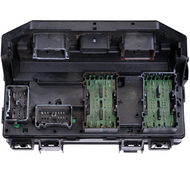
2007–2018 Jeep Wrangler TIPM Problems: Symptoms, Causes, and Repair Options
11th Mar 2026
If you own a 2007 to 2018 Jeep Wrangler JK, you may have already heard about TIPM problems from fellow Jeep owners or stumbled across threads about it in online forums. The TIPM (Totally Integrated Power Module) acts as the central electrical hub for your vehicle, managing everything from the fuel pump to your door locks. When it starts to fail, the symptoms can range from a mildly annoying quirk to a vehicle that simply won't start. Knowing what causes these failures, how to spot them early, and what your repair options look like can save you a lot of time, money, and frustration.
It's also worth noting that these TIPMs can be found in other Jeep models as well, including the 2011–2013 Jeep Grand Cherokee and the 2007–2012 Jeep Liberty. This information also applies to those vehicles.
What Is a TIPM and What Does It Do?
The TIPM is essentially an electrical command center for your Jeep. Unlike a traditional fuse box, which simply protects circuits with passive fuses, the TIPM is also an intelligent module that actively controls and monitors numerous vehicle systems. Think of it as the traffic director for your Jeep's electrical network. It decides when power flows to each component and ensures everything operates in the correct sequence.
Inside the TIPM, a series of relays manage the switching of power to critical systems. These relays handle substantial electrical loads and are cycled on and off constantly throughout the life of the vehicle. The module also contains the circuitry needed to interpret signals from other vehicle systems, making it a sophisticated component that extends well beyond the capabilities of a simple fuse panel.
The Common Failure Pattern in Jeep TIPMs
The most widespread problem affecting these TIPMs involves the internal relays that control key vehicle systems. These TIPMs contain seven relays that manage the circuits responsible for the fuel pump, door locks, wipers, wiper fluid, backup lights, and horn. Over time, these relays degrade and eventually fail. Unfortunately, failure rarely stops at just one relay.
What makes this particularly challenging is that the failure is often progressive. The fuel pump relay tends to be the first to go, but because all seven relays are manufactured to the same standard and experience the same wear conditions, the others are typically not far behind. A relay bypass or patch on the fuel pump circuit might seem like a fix, but it's really just delaying the inevitable. The remaining relays will continue to deteriorate.
Recognizing the Symptoms of TIPM Failure
TIPM failure in these Jeeps most commonly presents as problems with one or more of the following systems:
• Fuel pump (often the first symptom - the vehicle may crank but not start, or the pump may run constantly even with the ignition off, draining the battery)
• Power door locks (intermittent locking/unlocking or complete failure)
• Front and rear windshield wipers
• Front and rear wiper fluid
• Backup lights
• Horn
One or multiple of these issues can appear simultaneously. It's also worth noting that if a system activates on its own (such as your wipers turning on without you touching the stalk) that may indicate a separate underlying electrical issue. While the TIPM can sometimes cause this behavior, it is not guaranteed to be resolved by a TIPM repair, so it's worth investigating further.
Why Do These TIPMs Fail?
Heat and continuous use are the primary enemies of the TIPM's internal relays. Jeep Wranglers are frequently used for off-road driving, overlanding, and other demanding applications that put sustained stress on the vehicle's systems. The TIPM handles high-current switching repeatedly over hundreds of thousands of ignition cycles, and the relays inside simply weren't built to last the lifetime of the vehicle under those conditions.
The relay contacts inside the module wear down over time. As they degrade, they become unreliable. Sometimes they make contact when they shouldn't, and sometimes fail to make contact when they should. This explains why symptoms often appear intermittently before becoming persistent, and why a Jeep might start fine one morning and then leave you stranded the next.
Why TIPM Bypass Kits Aren't the Answer
You may have come across fuel pump relay bypass kits when searching for a solution. These kits route power to the fuel pump outside of the TIPM, bypassing the failed relay entirely. While they can get you back on the road temporarily, they don't solve the underlying problem – failing relays in the module.
The fuel pump relay is typically the first to fail, but the other six relays in your TIPM are following the same aging process. A bypass kit addresses one symptom while leaving the root cause (and the remaining relays) completely untouched. It's only a matter of time before the door locks stop working, the wipers become unpredictable, or the horn goes silent. A proper repair addresses all seven relays at once as well as all of the other potential problems.
Diagnosing TIPM Problems vs. Other Issues
Before concluding that your TIPM is at fault, it's worth ruling out other potential causes. Check your battery and charging system. A weak battery can cause a range of electrical gremlins that mimic TIPM symptoms. Inspect wiring harnesses and connectors for corrosion, damage, or loose connections, paying particular attention to the areas most exposed to heat and vibration.
The distinction between a TIPM problem and other electrical issues usually comes down to pattern. If the symptoms align with the specific systems controlled by the TIPM relays, and other potential causes have been eliminated, the TIPM is almost certainly the culprit.
Understanding Your Repair Options
When you've confirmed that the TIPM is the problem, you have a few paths forward: sourcing a used replacement, buying a new OEM unit, or having your existing module professionally remanufactured.
Used TIPMs are a gamble. These modules were pulled from other vehicles that have been through the same lifecycle as yours, meaning you may be installing a unit that's already partially degraded or on the verge of failure itself. A new OEM replacement addresses the sourcing problem but tends to be expensive and still uses the same underlying components and manufacturing techniques that caused the original failures.
The remanufacturing option has become increasingly popular for good reason. A properly remanufactured TIPM replaces all seven failing relays with upgraded components that meet or exceed original equipment specifications, addressing the root cause of the failure rather than working around it. It also addresses other known problem areas in the module that could cause problems as well. No programming is required. The remanufactured unit is a true plug-and-play solution.
How Circuit Board Medics Can Help
Circuit Board Medics remanufactures Jeep TIPMs for a fraction of the cost of a new OEM unit. The process targets every known failure point in the module to restore full functionality and protect against future issues before they develop. Every unit is fully tested before leaving the facility.
Repair vs. Exchange
Repair Service: Available for all covered years, including the 2007–2018 Jeep Wrangler JK, 2011–2013 Grand Cherokee, and 2007–2012 Liberty. You purchase the repair on our website, ship your TIPM to Circuit Board Medics, and the module is remanufactured and returned to you within one business day.
Exchange Service: Available for select years of the 2007–2018 Jeep Wrangler JK. You provide your VIN, place your order, and a fully remanufactured TIPM ships out the same day. Once you receive your remanufactured module, simply place your old one in the box and ship it back. No programming is required.
Both services are backed by a one-year warranty, and world class customer support.
Conclusion
A failing TIPM is one of the most common and frustrating electrical issues that could affect your Jeep, but it's also one that has a clear solution. If your Jeep is showing symptoms related to the fuel pump, door locks, wipers, or other TIPM-controlled systems, don't settle for a temporary bypass. Address the real issue, and get a comprehensive rebuild.
For most owners, professional remanufacturing offers the best combination of cost savings, reliability, and convenience. The one-business-day turnaround and no-programming-required installation mean minimal downtime, and the upgraded components mean you won't be dealing with the same issue again.
If you're ready to get your Jeep back on the road, visit the TIPM repair page here. If you have any questions, give us a call at (800) 547-2049. We look forward to serving you.